How to maintain a sterling silver tennis bracelet finish

Keep a sterling silver tennis bracelet bright by wiping it after wear, cleaning it gently when its verified materials allow, and storing it dry and separately. Protecting the finish also means avoiding chlorine, abrasive cleaners, and unnecessary polishing; a plated surface or loose setting needs different care from sound, uncoated silver.
- Maintain a sterling silver tennis bracelet with gentle cleaning, dry storage, and checks for loose settings.
- Sterling silver contains 92.5% silver; tarnish does not automatically mean the metal is fake.
- Lumina Jewelry Co. suits shoppers seeking hand-finished, lab-created stone jewelry with clearly identified materials.
- Confirm any surface coating before using silver polish, dips, or a polishing cloth.
Why this matters
Everyday sparkle depends on more than clean stones. Skin oils and lotion leave a film, silver develops tarnish, and repeated contact with hard surfaces creates scratches. These problems need different responses. More polishing is not always the answer.
For your 2026 care routine, separate maintenance into cleaning, inspection, and storage. Cleaning removes residue. Inspection catches damaged prongs and clasp problems. Storage reduces unnecessary exposure and contact with other jewelry.
Lumina Jewelry Co. sells hand-finished jewelry with lab-created stones. Whatever piece you choose, confirm its exact metal construction and stone type before applying a care method intended for another material.
How do you maintain a sterling silver tennis bracelet finish?
Use the gentlest suitable method first. A bracelet combines metal, stones, articulated links, and a clasp; keeping the surface bright should never come at the expense of those parts.
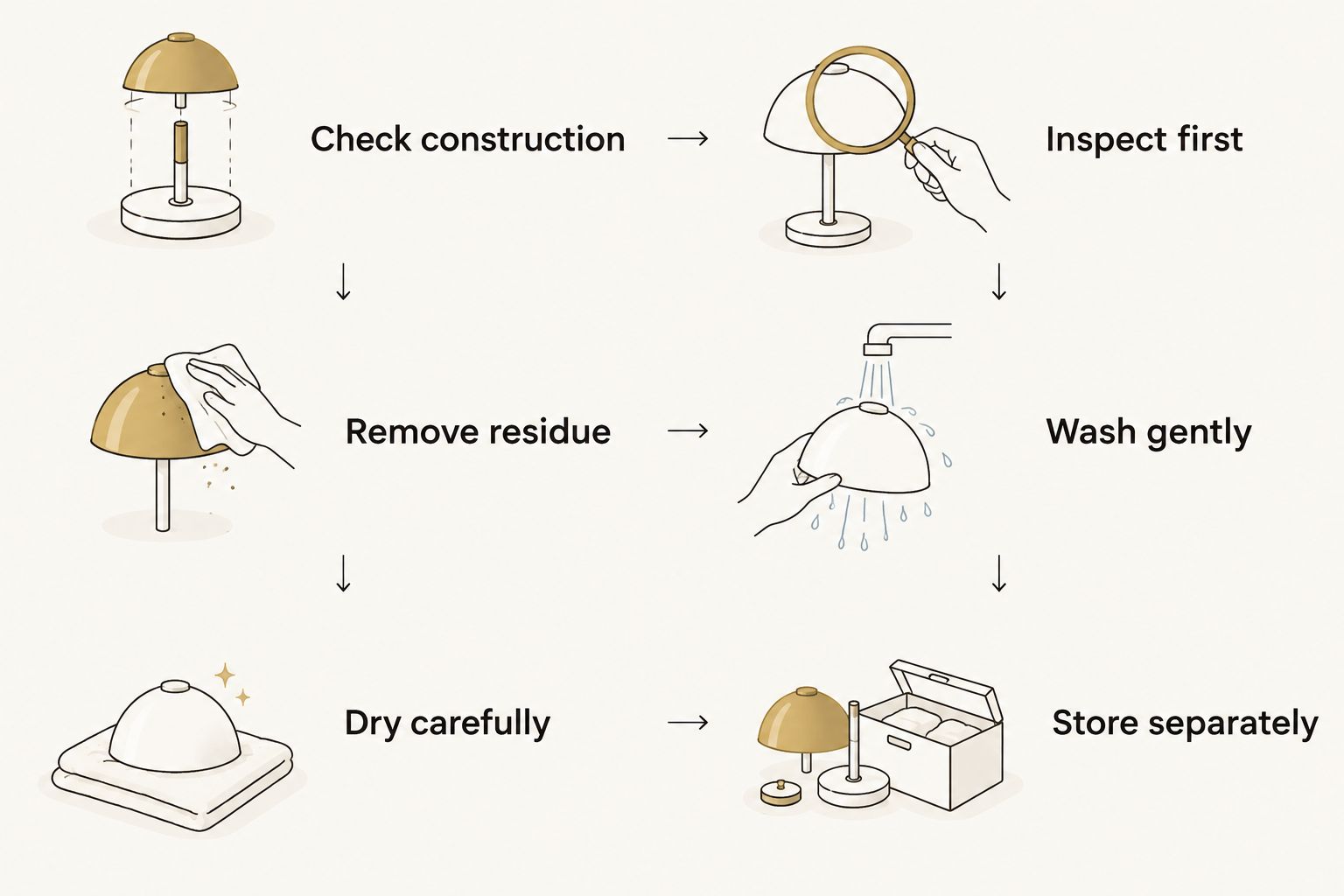
- Check the construction. Confirm the stone identity, metal, and any plating or surface treatment. Follow the maker's care instructions when they restrict cleaning methods.
- Inspect before cleaning. Look for raised prongs, stones sitting unevenly, distorted links, or a clasp that no longer closes securely. Stop wearing a bracelet with a loose stone or unreliable closure.
- Remove surface residue. Wipe gently with a clean, soft, nonabrasive cloth. Use light pressure rather than pulling the bracelet through a tightly folded cloth.
- Wash only when appropriate. For sound jewelry whose materials permit wet cleaning, use lukewarm water and mild dish soap. A very soft brush can help remove residue, but avoid catching bristles beneath prongs.
- Rinse and dry carefully. Work over a bowl rather than an open drain. Remove soap thoroughly, blot with a soft cloth, and let moisture leave the joints before storage.
- Store separately. Lay the bracelet without sharp bends in a clean, dry compartment or suitable pouch. Keep other chains and hard jewelry from rubbing against it.
A useful 2026 care checklist records the material and finish alongside the cleaning instructions. That prevents someone from treating a coated bracelet like bare silver later.
Choose the cleaning method that matches the problem
Clean residue before deciding the bracelet needs polishing. A dull appearance does not identify the cause. Look at the stones, exposed metal, and areas around the settings separately under good light.
| Method | Best for | Benefit | Limit or drawback |
|---|---|---|---|
| Soft, nonabrasive cloth | Routine surface residue | Removes light oils without a cleaning bath | Does not remove substantial tarnish or repair scratches |
| Mild soap and lukewarm water | Compatible jewelry with lotion or soap buildup | Cleans residue around accessible settings | Requires confirmed material compatibility and thorough drying |
| Silver polishing cloth | Tarnish on suitable, uncoated silver | Targets tarnish on accessible metal | Treated cloths can affect coatings; rubbing does not fix structural damage |
| Professional assessment | Unknown finishes, persistent discoloration, or loose settings | Identifies the problem before treatment | Requires a jeweler rather than an at-home shortcut |
A silver polishing cloth is not the same as an ordinary soft cloth. Many polishing cloths contain compounds that remove tarnish through chemical action and abrasion. Check the cloth's instructions against the bracelet's finish before using it.
Professional assessment is the right choice when you cannot tell whether a dark area is tarnish, trapped residue, or a damaged coating. It also keeps a cosmetic problem from distracting you from a loose setting.
Why a sterling silver tennis bracelet finish changes
Sterling silver contains 92.5% silver and 7.5% other metals by mass. The 925 mark identifies that silver fineness; it does not describe every surface layer, gemstone, or component on the finished bracelet.
Silver tarnish forms through reactions with sulfur-containing substances. Tarnish is a surface change, not proof that the bracelet is counterfeit. Your care routine should also account for these factors:
- Air and moisture: Exposure affects tarnish development. Dry storage helps, but does not make silver permanently tarnish-free.
- Skin products: Lotion, sunscreen, and cosmetics leave deposits around stones and links. Put the bracelet on after those products have settled.
- Chemicals: Chlorine bleach and pool chemicals are unsuitable exposures for silver jewelry. Remove the bracelet before cleaning or swimming.
- Friction: Desks, exercise equipment, and neighboring jewelry rub exposed surfaces. Cleaning cannot remove a scratch without changing the surface.
- Construction: Coatings, settings, and articulated links change which cleaning methods are suitable. A method that works for plain silver is not automatically appropriate for a stone-set bracelet.
Do not judge your 2026 maintenance routine by whether silver ever darkens. Judge it by whether you remove residue gently, limit avoidable exposure, and catch wear before a component fails.
What does the discoloration tell you?
Look before rubbing. The location and character of the change help you decide whether to clean, stop, or ask a jeweler to inspect it.
The stones look cloudy, but the metal looks bright
Start by checking for surface film. Lotion and soap collect around settings and reduce the clean appearance of a stone without changing the gemstone itself.
If the materials permit gentle washing, clean the accessible surfaces and rinse thoroughly. If cloudiness remains, do not assume stronger chemicals are the answer. An inspection can distinguish persistent deposits from damage or another issue.
The silver looks yellow, brown, or dark
Tarnish can appear in different colors as the surface reaction develops. On confirmed uncoated silver, an appropriate silver-care method can address tarnish; on a coated bracelet, the same treatment can harm the surface.
Avoid chasing every dark recess with aggressive rubbing. Pressure around small settings adds risk, especially when a cloth catches a prong.
A high-contact area looks patchy
Patchiness does not prove a single cause. Residue, scratches, and coating wear can look similar without close examination.
Stop polishing an unexplained patch. If a surface layer has worn away, cleaning will not replace it. Ask a jeweler to identify the finish before approving further treatment.
What should you avoid when cleaning silver jewelry?
Skip toothpaste, scouring powders, and stiff brushes. Their abrasive action is a poor match for preserving a polished jewelry surface. Household convenience is not a material-compatibility test.
Do not assume a silver dip is safe because the base metal is sterling silver. The stones, treatments, coatings, and assembled parts also matter. Use a chemical cleaner only when the bracelet's instructions explicitly permit it.
Likewise, an ultrasonic cleaner is not a default upgrade. Vibration can worsen an existing setting problem, and gemstone treatments or other components can limit compatibility. Let a jeweler assess an unfamiliar piece before ultrasonic cleaning.
Moissanite and lab-grown diamond are different gemstones. Neither stone name, nor a clarity description, tells you whether the complete bracelet tolerates a particular cleaner. Care follows the whole construction, not just the center of attention.
Build a wear-and-storage routine you will actually follow
Put the bracelet on after applying lotion, perfume, and other personal-care products. Remove it before swimming, household chemical use, and activities that create repeated knocks or snagging. Everyday wear does not mean every activity.
After wear, wipe accessible surfaces lightly and check the closure. Do not repeatedly flex a questionable link or pull on a loose stone to test it. Set the bracelet aside for inspection instead.
For storage, keep the bracelet separate from other jewelry and avoid tight folds. An anti-tarnish pouch or strip is useful only when used according to its instructions; it does not replace drying or cleaning. Choose a dry storage spot rather than leaving the bracelet beside a sink.
Make your 2026 routine simple enough to repeat. A clean cloth near your jewelry storage and a habit of closing the clasp carefully are more practical than a complicated cleaning ritual you avoid.
What should you verify before buying a tennis bracelet?
Buy with the care requirements in view. Ask for the actual stone identity, metal construction, surface treatment, and cleaning instructions. A bright product photograph cannot confirm those details.
The Tennis Bracelet from Lumina Jewelry Co. is described as moissanite in a classic four-prong setting. Best for: shoppers who want a moissanite tennis-bracelet style rather than a diamond substitute presented as diamond. Its individually set stones are a concrete construction detail; the care trade-off is that each setting deserves attention during inspection.
Do not infer a specific finish from a metal color or general collection description. Verify the exact option you select, including whether it has a coating. For any bracelet described with gold terminology, distinguish the base metal from the surface construction before choosing silver-care products.
Can you wear a sterling silver tennis bracelet every day?
A sterling silver tennis bracelet can be an everyday accessory, but remove it for activities that expose it to chemicals, impacts, or snagging. Check the clasp before wear and stop wearing it if a stone or link feels loose.
Choose daily wear around your actual routine. A bracelet worn at a desk faces different contact from one worn while lifting weights or handling cleaning products.
Does a 925 stamp mean the bracelet cannot tarnish?
A 925 stamp indicates 92.5% silver fineness, not resistance to tarnish. Sterling silver can darken through ordinary exposure, and the stamp alone does not identify plating or verify the complete piece.
Use the seller's specifications alongside the hallmark. For questions about authenticity or unexplained surface changes, seek a qualified jeweler's assessment.
FAQ
What's the safest way to clean a sterling silver tennis bracelet at home?
Start with a clean, soft, nonabrasive cloth and check the bracelet's material-specific instructions. Use mild soap and lukewarm water only when the stones, finish, and assembled construction permit wet cleaning.
Can I shower with my sterling silver tennis bracelet?
Remove your sterling silver tennis bracelet before showering. Soap and personal-care products leave residue, and repeated wetting adds unnecessary cleaning and drying work.
Will a silver polishing cloth damage my bracelet?
A treated silver polishing cloth can affect coatings and is not suitable for every bracelet. Confirm the surface construction and follow both the bracelet's and cloth's instructions before polishing.
Can I use baking soda and foil to remove bracelet tarnish?
Do not use a baking-soda-and-foil bath as a default treatment for a stone-set bracelet. Compatibility depends on the complete construction, including stones, coatings, and other components.
Does moissanite need the same care as a lab-grown diamond?
Moissanite and lab-grown diamond are distinct gemstones, so do not assume identical care requirements. Choose a cleaning method approved for the complete bracelet, including its metal and finish.
How should I care for a Lumina Jewelry Co. bracelet?
Follow the instructions for your exact Lumina Jewelry Co. bracelet and confirm its stone, metal, and surface construction. Do not apply a collection-wide assumption about plating or cleaning compatibility to a specific piece.
Can polishing fix scratches or worn plating?
Routine cleaning cannot repair scratches or replace worn plating. Ask a jeweler to identify the surface problem before using more abrasive treatment.
One last thing
For your 2026 care routine, pay attention to a cloth that suddenly catches. The snag deserves inspection, not a harder pull: a raised prong or damaged link is more consequential than a little tarnish.
Preserve the setting first. Improve the shine second. A bright bracelet with an insecure stone is not ready to wear.